Cam models are independent online creators who broadcast live video content to a global audience via specialized platforms, interacting with viewers in real-time through chat and performance to build a digital community and generate income.
Understanding the World of Cam Models
The digital landscape has transformed how we perceive entertainment and career paths. Among the most prominent figures in this evolution are cam models. These individuals are part of a thriving sector of the webcam industry that prioritizes direct engagement, personal branding, and the use of cutting-edge streaming technology. Unlike traditional media stars, these online creators build personal connections with their audience from the comfort of their own homes or private studios.
At its core, being a cam model involves more than just appearing on camera. It is a multifaceted role that combines elements of social media influencing, live performance, and small business management. For those interested in this career path, this cam models guide serves as a foundational resource to understanding the mechanics, expectations, and professional standards of the industry.
How the Webcam Industry Operates
The webcam industry functions as a massive ecosystem of platforms, performers, and consumers. The process begins with a platform—a website that hosts the streaming software and manages the financial transactions. Cam models register on these sites, undergo identity verification, and then use their own equipment (typically a high-definition webcam, a stable internet connection, and professional lighting) to broadcast live.
Revenue models vary depending on the platform, but most operate on a “freemium” basis. Viewers can often watch a public stream for free but must pay using digital currency or “tokens” to interact more deeply with the creator, request specific content, or enter private sessions. This dynamic is a significant part of how cam models make money, as it incentivizes engagement and high-quality production value.
The Role of Technology
Modern online creators in the webcam space rely on advanced technology to stay competitive. This includes high-speed fiber-optic internet to prevent lag, 4K cameras for crystal-clear visuals, and sophisticated audio setups. Many also use specialized software to manage their chat rooms, automate social media posts, and track their earnings in real-time. This professionalization has shifted the industry from a hobbyist pursuit to a legitimate business sector.
Common Myths vs. Reality
There are many misconceptions regarding cam models and their daily work. Separating fact from fiction is essential for anyone considering entering the field or simply seeking to understand it better.
- Myth: It is “Easy Money.” Reality: Like any form of content creation, success requires hours of consistency, marketing, and audience building. It is a demanding job that requires high emotional intelligence and business acumen.
- Myth: Models Have No Control Over Their Content. Reality: Independent cam models have total autonomy over when they work, what they talk about, and the boundaries they set for their broadcasts.
- Myth: The Industry is Unregulated. Reality: Leading platforms in the webcam industry are strictly regulated, requiring rigorous age verification for all performers and adhering to international digital commerce laws.
- Myth: You Need a Professional Studio. Reality: Most creators start with a clean corner of their bedroom and basic equipment, scaling up their setup as their income grows.
Safety and Privacy Tips for Online Creators
In any digital profession, safety is paramount. For cam models, protecting one’s identity and physical location is a top priority. Maintaining a professional distance while being engaging is a skill that every successful creator must master.
Strategic measures such as protecting your privacy online involve using a stage name, utilizing Virtual Private Networks (VPNs), and ensuring that no identifying markers—like mail, school logos, or distinctive landmarks—are visible in the background of the stream. Additionally, many platforms offer “geoblocking” features, which allow creators to prevent their stream from being visible in their home state or country, further safeguarding their personal life.
Digital Security Best Practices
- Use Dedicated Hardware: Many professionals use a separate computer and phone for their work to keep personal data isolated.
- Enable Two-Factor Authentication (2FA): This adds a critical layer of security to platform accounts and payment processors.
- Set Clear Boundaries: Communicating what is and isn’t allowed in a chat room helps manage viewer expectations and prevents harassment.
How to Get Started as a Cam Model
If you are considering joining the ranks of online creators in this space, follow these steps to ensure a professional and organized launch.
Step 1: Research and Platform Selection
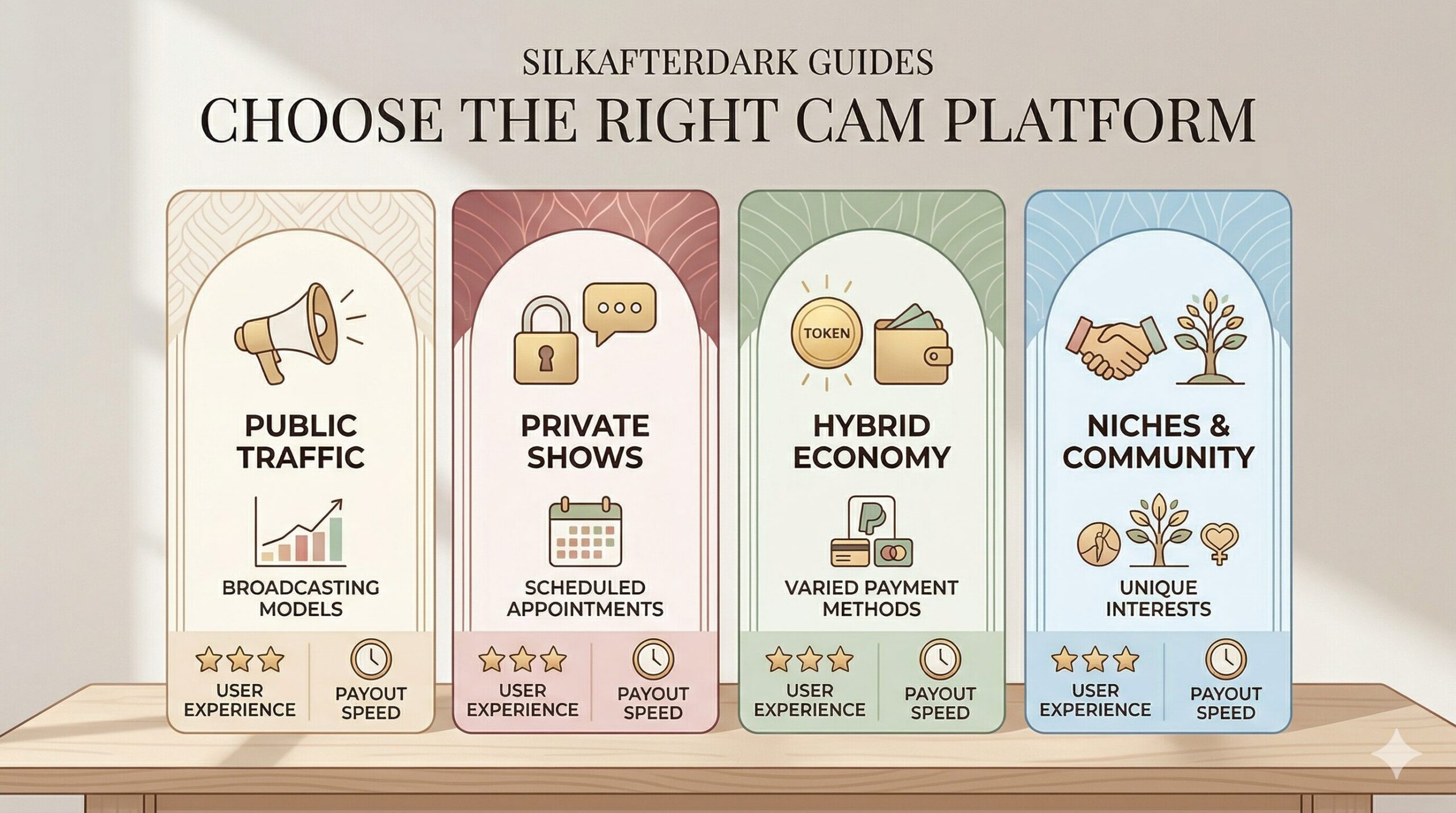
Not all platforms are created equal. Some focus on social interaction and “lifelogging,” while others are more performance-oriented. Read reviews and compare payout percentages to find the best fit for your goals. This cam model guide suggests starting with one platform to learn the ropes before expanding to multiple sites.
Step 2: Equipment Checklist
While you don’t need a Hollywood budget, certain items are non-negotiable for a professional stream:
- Webcam: At least 1080p resolution.
- Lighting: A ring light or softbox to ensure you are clearly visible.
- Audio: A clear microphone, as many viewers stay for the conversation.
- Internet: A wired ethernet connection is always more reliable than Wi-Fi.
Step 3: Creating Your Brand
Successful cam models are often successful because they have a clear brand. This includes your stage name, your aesthetic, and the “vibe” of your room. Consistency in your schedule is also vital; your audience needs to know when they can find you live.
Step 4: Launching and Networking
Once your profile is set up and your equipment is tested, it’s time to go live. Use social media to promote your streaming hours and engage with other creators. The webcam industry has a large community of professionals who share tips and support one another.
The Business Side: Marketing and Management
Being a creator is 10% broadcasting and 90% management. To sustain a long-term career, cam models must act as their own marketing department. This involves maintaining an active presence on social media platforms, creating promotional clips, and managing a mailing list or fan club. Understanding basic accounting is also necessary, as creators are typically considered independent contractors and are responsible for their own taxes and business expenses.
Conclusion
The world of cam models is a dynamic and professional branch of the creator economy. By focusing on high-quality content, maintaining strict safety protocols, and treating their work as a legitimate business, online creators can find great success in the webcam industry. Whether you are looking for a creative outlet or a full-time career, understanding the mechanics of how this industry works is the first step toward achieving your goals.
Frequently Asked Questions (FAQ)
1. Do I need to be a professional entertainer to start?
No. Most cam models start with no prior experience. The most important qualities are consistency, a friendly personality, and the ability to interact with a digital audience. Over time, you will develop your own unique style and performance skills.
2. Is it possible to remain anonymous?
While complete anonymity is difficult in the digital age, many online creators successfully protect their real identities by using stage names, geoblocking, and careful background staging to ensure their personal lives remain private.
3. How many hours a week do cam models work?
The beauty of the webcam industry is its flexibility. Some creators work 10 hours a week as a side hustle, while others treat it as a full-time career, working 40 or more hours. Consistency is generally more important than the total number of hours.
4. What are the main costs of starting?
The primary costs involve your hardware: a good camera, lighting, and a reliable computer. Beyond that, there are no “entry fees” for most platforms. You are essentially investing in your own small business infrastructure.
5. Can men and couples also be cam models?
Absolutely. The industry is diverse and includes men, women, and couples. There is an audience for almost every type of creator, provided the content is engaging and the production quality is high.