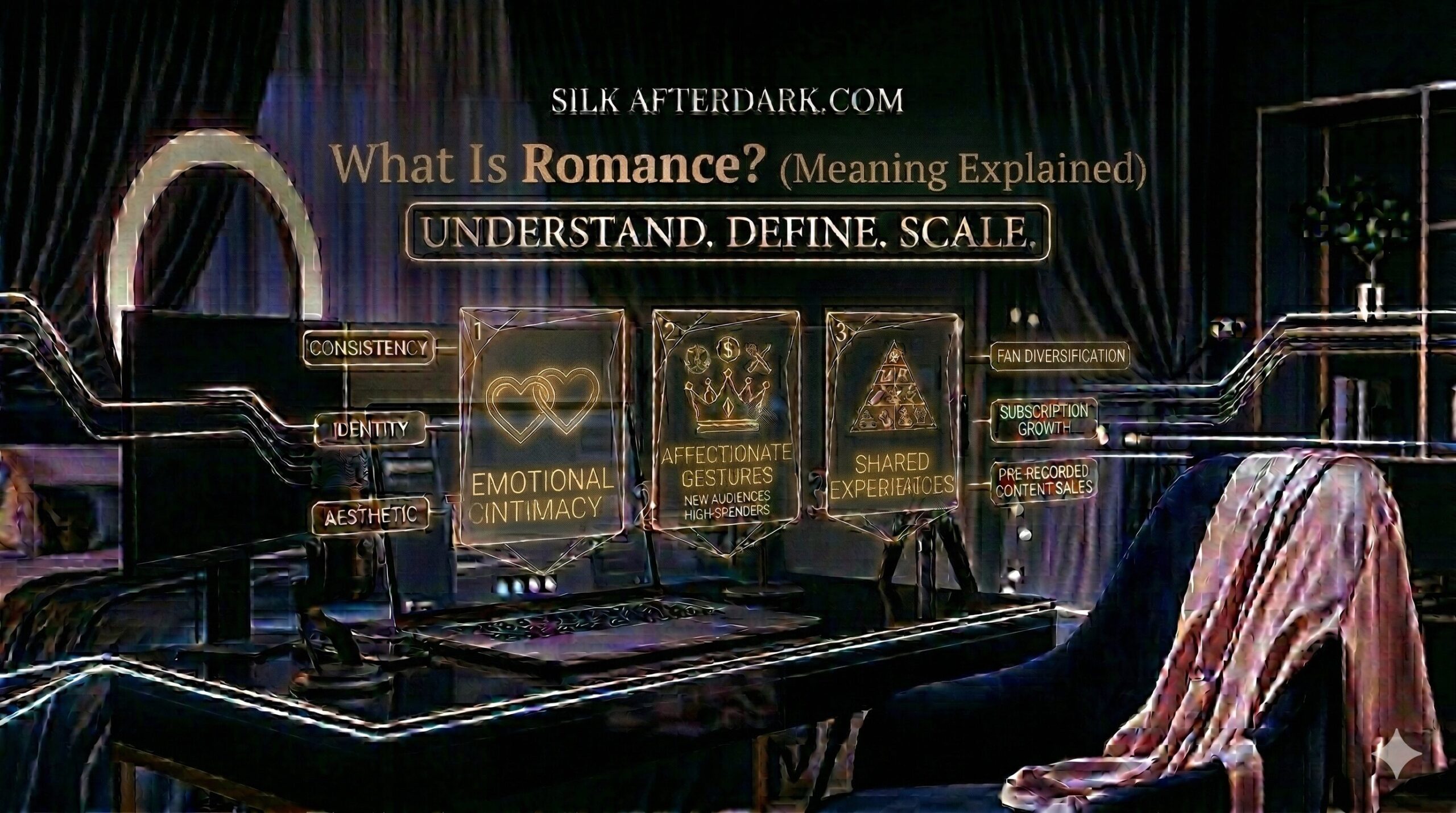
Romance meaning refers to the feeling of excitement and mystery associated with love. It is a deep emotional connection characterized by acts of affection, courtship, and romantic expression. Beyond simple attraction, romance involves creating shared meaning and prioritizing a partner’s emotional well-being to foster a sense of being special and cherished within a relationship.
Romance is a fundamental human experience that has inspired poets, artists, and lovers for centuries. While it is often associated with the early stages of a relationship, its role in long-term partnerships is equally vital. Understanding romance requires looking beyond the surface-level gestures of flowers and candlelight to the underlying psychological and emotional bonds that tie two people together. In this guide, we will explore the nuances of what it means to be romantic and how to maintain that spark in a modern context.
What Does This Term Mean?
To understand the full romance definition, one must look at both its emotional and behavioral components. At its core, romance is a specific type of connection that prioritizes the unique bond between partners. It is the intentional cultivation of wonder, attraction, and appreciation. While love is often described as a steady state of affection, romance is the active energy that keeps that love feeling fresh and dynamic.
When providing a romance explained overview, it is helpful to categorize it into three main pillars:
- The Feeling: This is the internal experience of “being in love.” It involves a sense of euphoria, focus on the partner, and the desire for emotional and physical closeness.
- The Action: This refers to romantic expression. These are the external behaviors, such as planning dates, writing notes, or giving gifts, that signal to a partner they are valued.
- The Atmosphere: This is the environment created by a couple. It involves a sense of privacy, intimacy, and a break from the mundane aspects of daily life.
In a dictionary sense, the term has evolved from its historical roots in medieval tales of chivalry to its modern psychological interpretation. Today, romance meaning is less about knights and dragons and more about emotional safety and the celebration of a shared journey. It is the language of “we” rather than “me.”
How the Term Is Commonly Used
The term is used in various contexts, from casual dating to formal literature. In daily conversation, people often use the word to describe specific moments or gestures. For instance, a “romantic evening” usually implies an intentional setting where the focus is entirely on the couple’s bond, often involving soft lighting, good food, and deep conversation.
In the context of dating, romantic expression is often seen as the “courtship” phase. This is where individuals put in significant effort to impress and attract a potential partner. However, as relationships mature, the usage of the term shifts toward “relationship maintenance.” In this stage, romance is about consistency and the small, daily choices that reinforce a couple’s commitment.
In the media and entertainment industry, “romance” is a massive genre of fiction. Whether in books or movies, the genre follows a specific structure: a central love story and an emotionally satisfying ending. While these stories can be inspiring, they often set a standard for romance that is more about drama than the reality of healthy, stable relationships. Real-world romance is often quieter and more grounded than what is seen on screen.
Why the Term Matters
Understanding romance meaning is crucial because it serves as the glue for many adult relationships. It is the primary way partners communicate that they are not just roommates or co-parents, but lovers and confidants. A strong emotional connection is the foundation of a healthy partnership, and romance is the tool used to build and maintain that foundation.
When romance is present, it fosters a sense of security. Partners who feel romanced often report higher levels of relationship satisfaction and lower levels of conflict. This is because the acts associated with romance serve as “deposits” into an emotional bank account. When difficult times arise, the couple has a reservoir of positive feelings to draw upon.
Furthermore, romance is closely linked to the intimacy meaning found in lasting bonds. By focusing on the unique needs and desires of a partner, individuals create a space where both people feel truly seen and understood. For more terms related to human connection, you can explore our comprehensive sex dictionary. Cultivating this level of attention is what separates a deep romantic relationship from a casual friendship.
On a biological level, romantic activities trigger the release of chemicals like oxytocin and dopamine in the brain. These “feel-good” hormones reinforce the bond between partners, making the relationship feel rewarding and essential. In this way, romance is not just a social construct but a biological necessity for many people seeking long-term companionship.
Common Misconceptions
There are several myths surrounding romance that can cause unnecessary stress in relationships. One of the most common is the idea that romance must be expensive. Many people believe that without high-end dinners or jewelry, they are failing at being romantic. In reality, the most effective romantic expression is often free. A sincere compliment, a shared walk, or an evening spent talking without distractions can be far more meaningful than a pricey gift.
Another misconception is that romance should be spontaneous. While surprise gestures are wonderful, waiting for “the mood to strike” often leads to long periods of neglect. In long-term relationships, successful couples often schedule time for romance. Planning a “date night” or setting aside time for connection does not make the act less romantic; rather, it shows that the partner is a priority.
People also frequently confuse romance with passion meaning. While they are related, passion is often the intense, fiery attraction felt at the start of a relationship, whereas romance is the intentional nurturing of that fire over time. You can learn more about how these concepts differ by looking into the passion meaning. Understanding that romance is a skill that can be practiced—rather than a magical force that simply exists—empowers couples to take control of their relationship’s health.
Finally, there is a myth that romance is a “gendered” responsibility. The idea that only one partner should initiate or perform romantic acts is outdated. In a healthy, modern relationship, both partners should contribute to the romantic atmosphere. Mutual effort ensures that neither person feels taken for granted and that the emotional connection remains balanced and strong.
FAQ
What is the difference between romance and love?
Love is the deep, long-term affection and commitment felt for another person. Romance is the active expression of that love through gestures, atmosphere, and focused attention that highlights the special nature of the bond.
Can a relationship survive without romance?
While some relationships function as practical partnerships, most people find that a lack of romance leads to feelings of distance or being “just friends.” Incorporating even small acts of romance can significantly improve relationship quality.
How do I know what my partner finds romantic?
The best way is through clear communication. Every individual has different preferences. Some value quality time, while others value words of affirmation or physical touch. Discussing your “love languages” can help target your efforts.
Is romance only for young couples?
Absolutely not. Romance is vital at every age and stage of a relationship. In fact, many older couples find that they have more time and resources to dedicate to romantic activities once they are further along in their careers and lives.
Does romance always lead to intimacy?
Romance is a gateway to the intimacy meaning we seek in close relationships. It builds the trust and emotional safety required for partners to be vulnerable with one another. To understand this deeper level of bonding, read more about intimacy meaning.
In conclusion, romance is an essential ingredient for a fulfilling and lasting relationship. By understanding the romance meaning and moving past common myths, couples can intentionally build a life filled with appreciation and connection. Whether through a simple note or a planned adventure, the effort put into romance is an investment in the happiness and longevity of your partnership. It is the practice of keeping the wonder of love alive every single day.