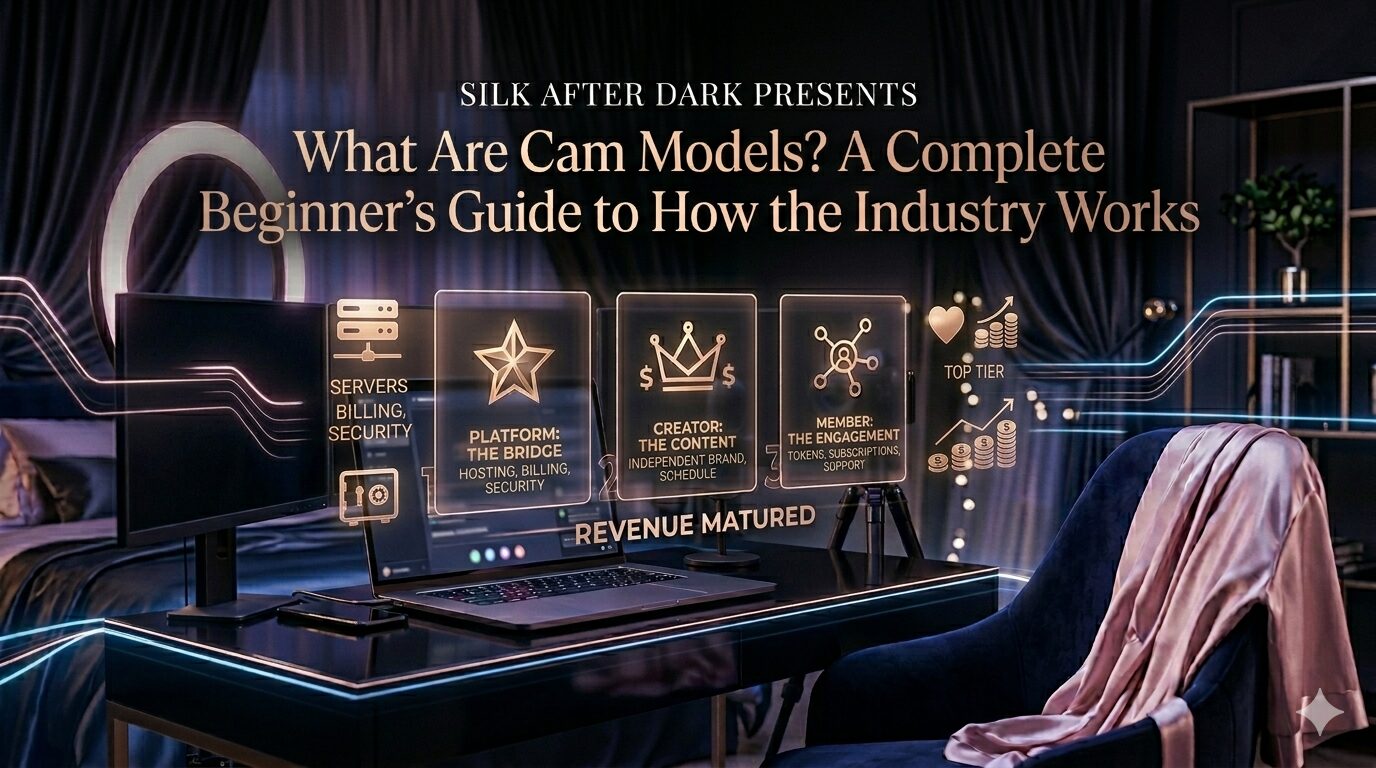
Cam models are independent digital broadcasters who stream live video content to an audience in real-time, typically through specialized hosting platforms. They operate as modern online creators within the webcam industry, building personal brands and interacting with viewers through chat, requests, and digital gifts to generate income.
Understanding the Role of Cam Models
In the modern digital landscape, the definition of a content creator has expanded significantly. Among the various niches that have emerged, cam models represent a unique and influential sector of the live-streaming world. At its core, camming is the act of broadcasting live video over the internet to interact with a global audience. While often associated with adult entertainment, the industry is a complex ecosystem of technology, marketing, and interpersonal communication.
For those looking for a beginner guide to this profession, it is important to understand that these individuals are essentially small business owners. They manage their own schedules, marketing, technical setups, and customer service. The webcam industry has evolved from grainy, low-quality streams into a multi-billion dollar sector that utilizes high-definition equipment and sophisticated monetization tools similar to those used by mainstream influencers on platforms like Twitch or YouTube.
How the Webcam Industry Operates
The mechanics of how cam models work involve a combination of platform infrastructure and individual creativity. Most creators work through “white-label” or large-scale hosting sites that provide the necessary bandwidth, payment processing, and traffic. These platforms act as a marketplace where viewers can browse through different “rooms” to find a creator whose personality or content style appeals to them.
When a model goes live, they engage in various activities to keep their audience entertained. This can include sharing stories, performing specific talents, or simply providing company to viewers who may be looking for social interaction. The primary method of communication is a text-based chat where viewers can talk to the model and each other. Some platforms also allow for “private shows,” where a viewer pays a premium for one-on-one time with the creator.
Monetization and Earnings
Understanding how money is made is a crucial part of any beginner guide to the industry. Models typically earn through a “token” system. Viewers purchase tokens from the platform and then “tip” these tokens to the model during the live stream. These tips can be given in appreciation for the content or to request specific actions allowed by the model’s “tip menu.”
Beyond live tipping, many online creators in this space diversify their revenue streams. This may include selling pre-recorded videos, offering subscription-based fansites, or receiving gifts from digital wishlists. For a deeper look at the financial side, you can explore our cam model income guide.
Myths vs. Reality in Camming
Because the webcam industry is often misunderstood, several myths persist about what the job actually entails. It is vital to separate fiction from the reality of professional camming.
- Myth: It is “easy money.”
Reality: Successful cam models often work 40+ hours a week. Between the hours spent live, the time dedicated to social media marketing, and the technical maintenance of their gear, it is a demanding full-time job that requires consistency and discipline. - Myth: You need to be a tech expert.
Reality: While a basic understanding of computers and lighting is necessary, most modern platforms are designed to be user-friendly. Many creators start with a standard laptop and a decent USB webcam, upgrading their gear as their earnings grow. - Myth: There is no longevity in the career.
Reality: Many creators have spent over a decade in the industry. By building a loyal community and treating their viewers with respect, models can sustain long-term careers just like any other digital influencer. - Myth: It is only about physical appearance.
Reality: Personality is the biggest driver of success. Viewers return to rooms where they feel a connection or where the creator is engaging, funny, or a good listener. Loneliness is a significant factor in why people visit cam sites, and “personality models” often outearn those who rely solely on looks.
Safety and Privacy Tips for Online Creators
Safety should be the top priority for anyone entering the world of live broadcasting. Because cam models share their lives in real-time, maintaining a strict boundary between their professional and personal identities is essential. Personal safety in the webcam industry involves both digital security and mental well-being.
First and foremost, online creators should never share “PII” (Personally Identifiable Information). This includes their full name, home address, phone number, or specific details about their location, such as the name of a local gym or a view from a window that shows recognizable landmarks. Most professional models use a “stage name” or “alias” to protect their real identity.
Furthermore, it is highly recommended to use a Virtual Private Network (VPN) to mask your IP address and to use dedicated email accounts for work-related activities. For a comprehensive breakdown of these strategies, see our guide on protecting your privacy online. Security also means being aware of “geoblocking,” a feature provided by many platforms that prevents users from specific regions or cities from viewing your stream, helping to ensure your content isn’t seen by people in your immediate local community.
Getting Started: A Step-by-Step Beginner Guide
If you are considering becoming one of the many online creators in this field, follow these foundational steps to set yourself up for success.
Step 1: Research and Platform Selection
Not all camming platforms are the same. Some focus on “freemium” models where the room is open to everyone and tips are the main source of income. Others are “private-based,” where the model remains in a “lounge” and only earns when a viewer takes them into a paid private session. Research which style fits your personality best.
Step 2: Essential Equipment
You don’t need a cinema-grade camera to start, but quality matters. At a minimum, you will need:
- A high-definition webcam (1080p minimum).
- A stable, high-speed internet connection (upload speed is more important than download).
- Good lighting; ring lights are a popular and affordable choice for beginners.
- A clear, aesthetically pleasing background.
Step 3: Setting Boundaries
Before you ever hit the “Go Live” button, decide what you are and are not comfortable doing on camera. Write down your “hard limits” and stick to them. Having a clear set of rules for your chat room helps manage viewer expectations and keeps the environment professional.
Step 4: Marketing and Consistency
The webcam industry is highly competitive. To stand out, you must treat your camming like a brand. Use social media to announce when you are going live and engage with your followers. Consistency is the “secret sauce”—streaming at the same time every day helps your regular viewers find you easily.
The Future of Live Streaming and Digital Creation
As technology advances, the webcam industry continues to integrate new features like 4K streaming, virtual reality (VR), and interactive toys that viewers can control remotely via tips. These innovations bridge the gap between creator and viewer, making the experience more immersive than ever before. Cam models who stay ahead of these technological trends often find themselves at the forefront of the digital economy.
In conclusion, being a cam model is about much more than just a video feed. It is a profession that requires a blend of social skills, business acumen, and technical knowledge. By following a beginner guide and prioritizing safety, individuals can find a rewarding path as online creators in this dynamic and ever-growing field.
Frequently Asked Questions (FAQ)
1. Do cam models have to show their face?
No, many cam models choose to remain “faceless” for privacy reasons. They may use masks, creative camera angles, or even voice-only setups to interact with their audience while maintaining a higher level of anonymity.
2. Is camming a legal profession?
In most countries, including the United States, United Kingdom, and Canada, camming is a legal form of adult or general entertainment, provided the performer is of legal age (usually 18+ or 21+) and the platform complies with local regulations regarding record-keeping and content hosting.
3. How much can a beginner expect to earn?
Earnings vary wildly in the webcam industry. A beginner might make nothing in their first few days, or they might make several hundred dollars. It depends on the platform, the time of day, and how well the creator engages with their first few viewers.
4. Do I need special software to start?
Most platforms allow you to stream directly through a web browser. However, many professional online creators use software like OBS (Open Broadcaster Software) to add overlays, goals, and higher-quality audio/video settings to their streams.
5. Can men and couples also be cam models?
Absolutely. While the industry was traditionally female-dominated, there is a massive and growing market for male models, trans creators, and couples. The webcam industry is incredibly diverse and has an audience for almost every type of creator.